“Progettare è facile quando si sa come si fa.”
“Creatività non vuol dire improvvisazione senza metodo.”
Bruno Munari
La metodologia di progetto secondo Munari. Una riflessione su come progettare dal libro Da cosa nasce cosa [1].
The project methodology according to Munari. A reflection on how to design from the book Da cosa nasce cosa [1].
In questo libro Munari accompagna il lettore alla scoperta della metodologia di progetto e per far questo utilizza l’analogia tra progettare e fare un risotto attraverso una serie di operazioni successive :
“Il metodo progettuale non è altro che una serie di operazioni necessarie, disposte in un ordine logico dettato dall’esperienza. Il suo scopo è quello di giungere al massimo risultato col minimo sforzo. Progettare un risotto verde o una pentola per cuocere lo stesso riso, richiede l’uso di un metodo che aiuterà a risolvere il problema. L’importante è, nei due casi accennati, che le operazioni necessarie siano fatte seguendo l’ordine dettato dall’esperienza. Non si può, nel caso del risotto, mettere il riso nella pentola senza aver messo prima l’acqua; oppure rosolare prosciutto e cipolla dopo aver cotto il riso, oppure cuocere riso, cipolla e spinaci tutto insieme. Il progetto del riso verde in questo caso fallirà e bisognerà buttar via tutto.”
In this book Munari accompanies the reader to discover the design methodology and to do this he uses the analogy between designing and making a risotto through a series of operations:
“The design method is nothing more than a series of necessary operations, arranged in a logical order dictated by experience. Its purpose is to achieve maximum results with minimum effort. Designing a green risotto or a pot to cook the same rice requires the use of a method that will help solve the problem. The important thing is, in the two cases mentioned, that the necessary operations are carried out following the order dictated by experience. In the case of risotto, you cannot put the rice in the pot without having first put the water; or brown ham and onion after cooking the rice, or cook rice, onion, and spinach all together. In this case, the green rice project will fail and everything will have to be thrown away. “
“Anche nel campo del design non è bene progettare senza metodo, pensare in modo artistico creando subito un’idea senza prima aver fatto una ricetta per documentarsi su ciò che è già stato fatto di simile a quello che si deve progettare; senza sapere con quali materiali costruire la cosa, senza precisarne bene la esatta funzione”.
“Even in the field of design, it is not good to design without method, to think in an artistic way, immediately creating an idea without first having made a recipe to read up on what has already been done similar to what you have to design; without knowing what materials to build the thing with, without specifying its exact function “.
Munari, quindi, dopo averci introdotto nella metodologia progettuale, indica un elenco di settori che, in funzione delle loro caratteristiche, richiedono l’applicazione di una metodologia:
“l’arredamento, l’abbigliamento, il campeggio, gli strumenti di misura, giochi e giocattoli didattici, musei e mostre, luna park, giardini, ambienti per anziani, cerniere-giunti-attacchi, allestimenti e grafica per le fiere commerciali, impaginazione, segnaletica, cinema e televisione, stampe, tappezzerie, piastrelle, grandi magazzini, valigeria, grafica nell’architettura, imballaggi, illuminazione, editoria, scaffalature“.
Munari, therefore, after introducing us to the design methodology, indicates a list of sectors which, according to their characteristics, require the application of a methodology:
“Furniture, clothing, camping, measuring instruments, educational games and toys, museums and exhibitions, amusement parks, gardens, environments for the elderly, hinges-joints-attachments, fittings and graphics for trade fairs, layout, signage, cinema and television, prints, tapestries, tiles, department stores, luggage, architectural graphics, packaging, lighting, publishing, shelving.”
What is a design problem ?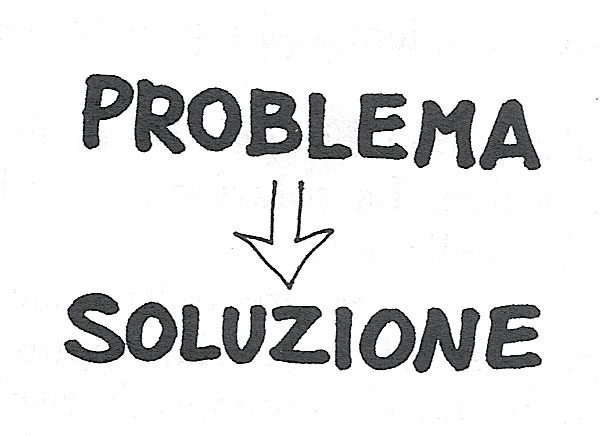 “Il problema non si risolve da solo, ma contiene però tutti gli elementi per la sua soluzione, occorre conoscerli e utilizzarli nel progetto di soluzione.”
“The problem does not solve itself, but it contains all the elements for its solution, you need to know them and use them in the solution project.”
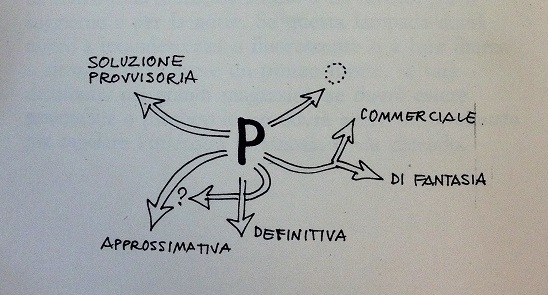
“Un problema può avere diverse soluzioni, anche qui occorre decidere quale scegliere.”
“A problem can have several solutions, even here it is necessary to decide which one to choose.“
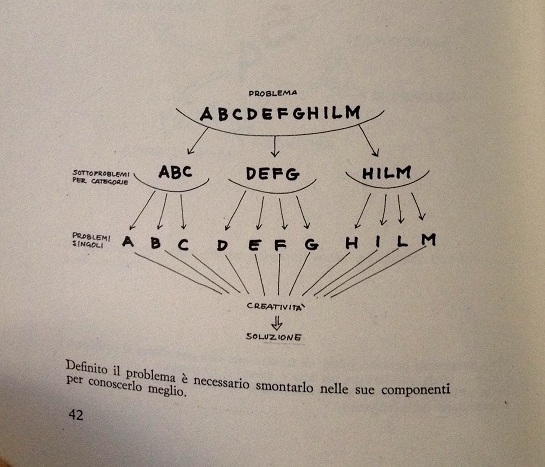
“Definito il problema è necessario smontarlo nelle sue componenti per conoscerlo meglio”.
“Once the problem has been defined, it is necessary to disassemble it into its components to get to know it better “.
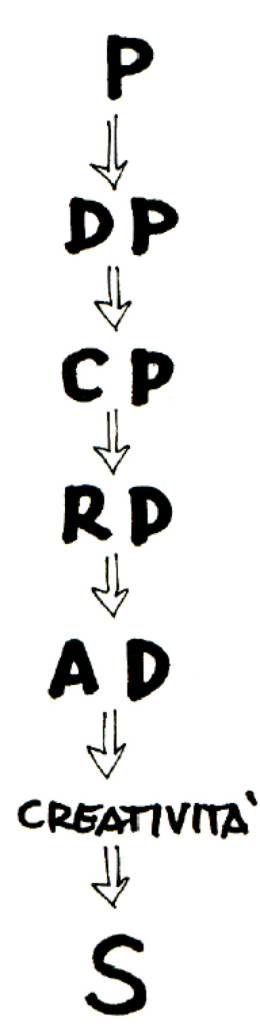
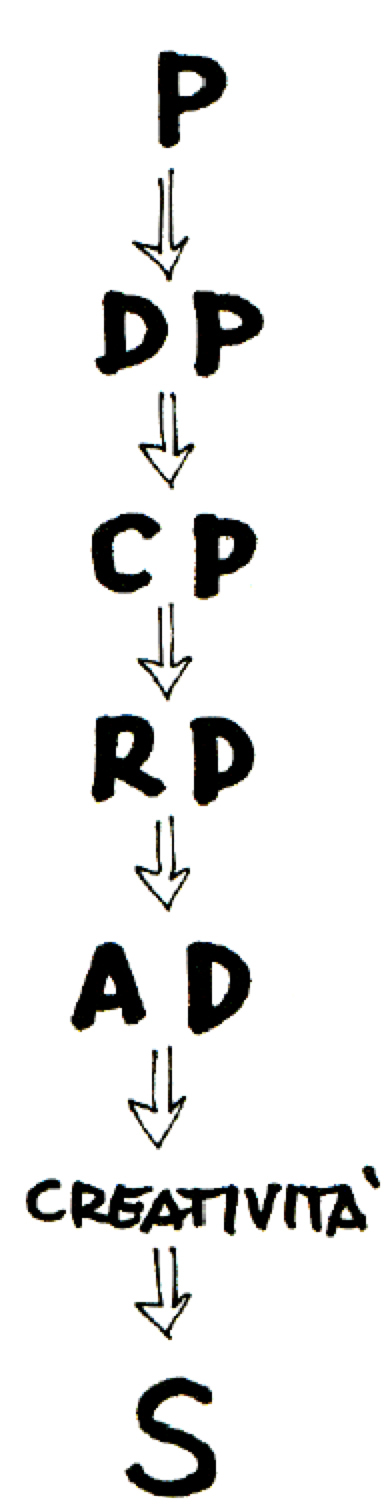
Una volta definito il problema Munari traccia un processo per raggiungere e definire la soluzione cercata :
“Un problema può avere diverse soluzioni, anche qui occorre decidere quale scegliere“.
Once the problem has been defined, Munari outlines a process to reach the sought solution:
“A problem can have several solutions, even here it is necessary to decide which to choose”.
Dal riso verde allo …
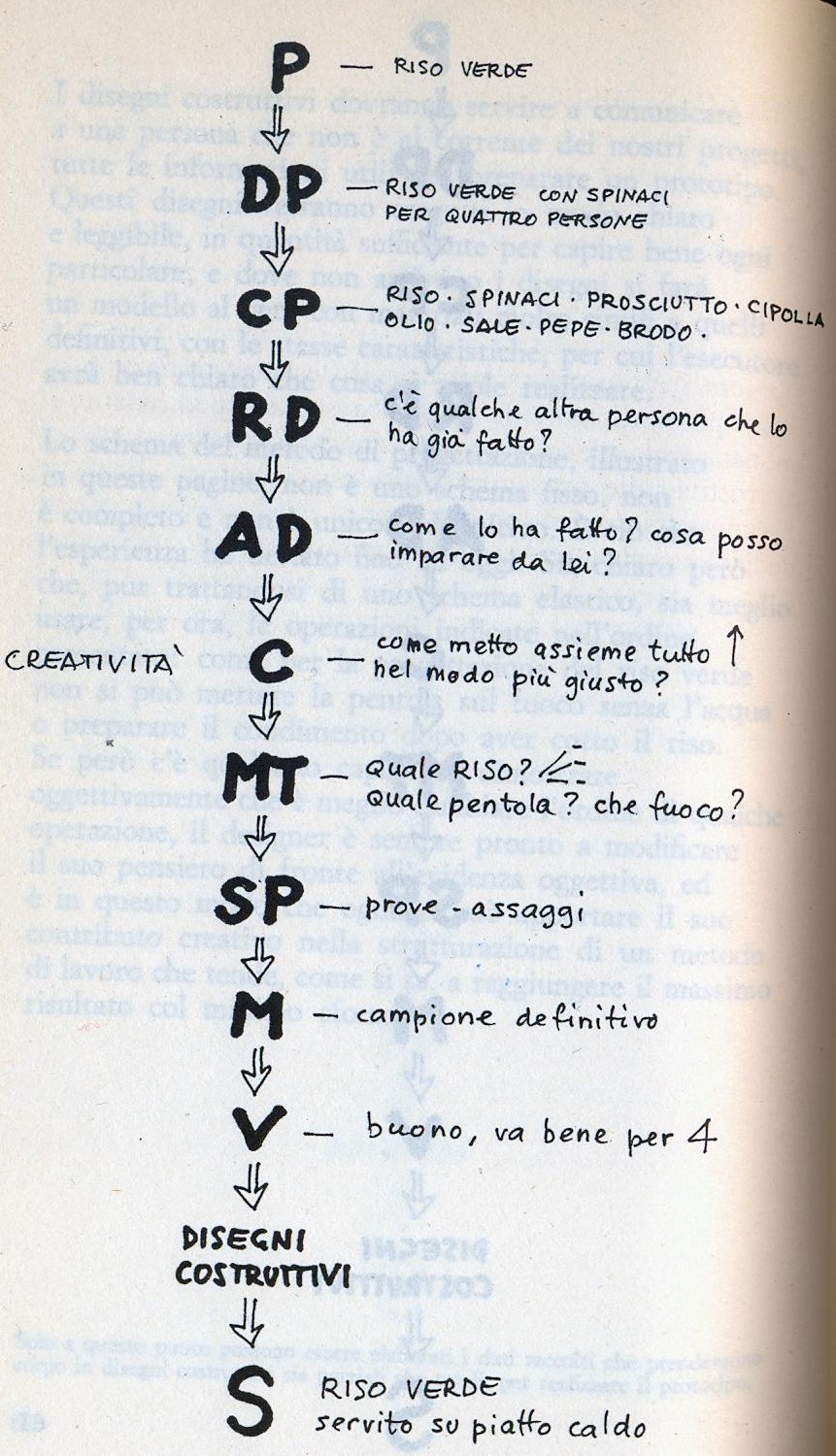
… schema del metodo di progetto
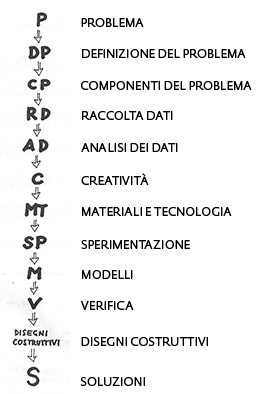
Lo schema del metodo di progettazione non è uno schema fisso, non è completo e non è unico e definitivo. Una volta definito il processo di metodo Munari spiega, con esempi concreti e vari, la sua applicazione con le relative soluzioni.
The design method scheme is not a fixed scheme, it is not complete and it is not unique and definitive. Once the process of the method has been defined, Munari explains, with concrete and various examples, its application with the relative solutions.
ESEMPIO DI APPLICAZIONE DEL METODO.
EXAMPLE OF APPLICATION OF THE METHOD. EXHIBITION DESIGN PROJECT.
PROGETTO DI EXHIBITION DESIGN.
Il settore che a noi interessa indagare è quello dell’exhibition design e, per questo, riportiamo qui di seguito una sintesi, dal libro di Munari, dello sviluppo della metodologia messa in pratica nell’allestimento espositivo :
[P] Problema : partecipazione italiana all’Esposizione di Ginevra Telecom 79.
[DP] Definizione del problema: esposizione collettiva di 33 aziende italiane pubbliche e private, produttrici di servizi e apparecchiature per telecomuncazioni. Spazio per proiezioni, spazio per l’accoglienza. Collegamenti elettrici, elettronici e telefonici per tutti. Percorso definito per i visitatori.
[CP] Componenti del problema: definizione degli spazi per ogni espositore. Struttura modulare portante per collegamenti e segnaletica. Modulazione dello spazio usabile. Materiali ignifughi o autoestinguenti. Arredamento degli spazi con tavoli e sedili. Ingresso della mostra. Flusso del pubblico.
[RD] Raccolta dati: non si rende necessaria data la specificità della mostra e dato che mostre simili precedenti sono state progettate dagli stessi progettisti.
[C] Creatività: struttura modulata utilizzabile anche come struttura portante, divisori dei vari spazi e segnaletica. L’insieme dello spazio espositivo dovrà avere una unità visiva e plastica. L’ingresso della mostra dovrà richiamare il visitatore.
[MT] Materiali e tecnologie: lo spazio globale è delimitato da tessuti melaminizzati bianchi, della stessa misura dei divisori semitrasparenti. Un velario di tela comune di colore scuro, nasconde le travature in cemento dell’ambiente preesistente e copre le finestre.
[SP] Sperimentazione: posizione e tecnica di stampa delle scritte sui teli semitrasparenti. Dimensionamento delle parti rispetto al tutto. Studi e prove degli attacchi.
Disegni costruttivi: Modello dello spazio disponibile, secondo i rilievi effettuati. Modelli di probabili percorsi per il pubblico. Modelli al vero delle quinte semitrasparenti. Modello al vero di una parte dell’allestimento. Modello di una parte della facciata.”
The sector we are interested in investigating is that of exhibition design and, for this reason, we report below a summary, from Munari’s book, of the development of the methodology put into practice in the exhibition set-up:
“[P] Problem: Italian participation in the Geneva Telecom Exhibition 79.”
“[DP] Definition of the problem: collective exhibition of 33 Italian public and private companies, manufacturers of telecommunications services and equipment. Space for projections, space for hospitality. Electric, electronic and telephone connections for everyone. Path defined for visitors.”
“[CP] Components of the problem: definition of the spaces for each exhibitor. Modular load-bearing structure for connections and signs. Usable space modulation. Fireproof or self-extinguishing materials. Furnishing of the spaces with tables and seats. Entrance to the exhibition. Audience flow.”
“[RD] Data collection: it is not necessary given the specificity of the exhibition and given that previous similar exhibitions were designed by the same designers.”
“[C] Creativity: modulated structure that can also be used as a load-bearing structure, dividers of the various spaces and signs. The whole of the exhibition space must have a visual and plastic unity. The entrance to the exhibition must call the visitor.”
“[MT] Materials and technologies: the global space is delimited by white melamine fabrics, the same size as the semi-transparent dividers. A curtain of common dark colored canvas hides the concrete beams of the pre-existing environment and covers the windows.”
“[SP] Experimentation: position and printing technique of the writings on semitransparent sheets. Sizing of the parts with respect to the whole. Studies and evidence of the junctions.”
“Construction drawings: Model of the space available, according to the surveys carried out. Models of probable routes for the public. True models of semitransparent wings. Real model of a part of the set-up. Model of a part of the facade.”
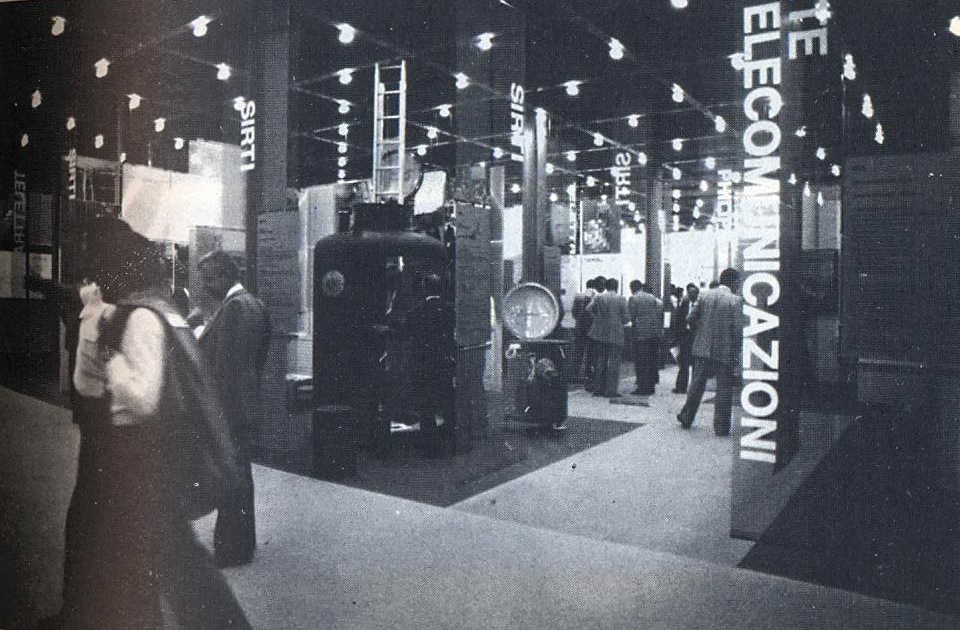 Il progetto di allestimento è dell’architetto Achille Castiglioni con la collaborazione di Paolo Ferrari. La progettazione grafica è di Max Huber.
—————————————————————–
[1] Bruno Munari, Da cosa nasce cosa, Bari, Laterza, 1981, pp. 16-17, 37, 40, 60, 61,62, 307-317.
Recommended Citation
Rubessi, C. (2020) “Il Design Thinking secondo Bruno Munari | Design Thinking according to Bruno Munari”, ThinkingSpaces, https://www.chiararubessi.com/2020/06/23/munari/